building buzz
civil sector
edition 2 | spring 2025
Microchip Manufacturing is Booming — and it’s Intersecting with Water Rights and Regulations
Next article:
Ready to work together?
send us an email
“Our clients are in the business of moving freight such as mined minerals, food products, and building materials that communities depend on. Our number one success metric is safely minimizing disruption to the train schedules, and we gear all of our operations toward that goal.”
Jim Holtje
Civil Area Manager, PCL Construction
The Blueprint for Success in Water Megaprojects
Market insight
The number of water infrastructure megaprojects – those ranging from $350 million to over $1 billion – is growing across the United States and Canada. Their success depends on teams with a specialized skill set and experience managing complexity. The United States loses an estimated 2.1 trillion gallons of water annually due to aging and deteriorating infrastructure, according to the Environmental Protection Agency. A study conducted by the Environmental Sustainability Research Centre at Brock University in Ontario estimates that approximately 1.6 trillion gallons of water are lost annually in Canada for the same reason. The challenges posed by population growth, climate, regulation uncertainties, inflation and the urgent need to modernize water systems have led to an unprecedented wave of investment in water infrastructure across North America. In 2021, the U.S. federal government allocated more than $50 billion to building water and wastewater projects, signaling the scale of the issue. The Investing in Canada Plan, launched in 2016, represents a $180 billion, 12-year initiative to improve infrastructure. The plan focuses on enhancing water quality, increasing access to safe drinking water, and improving efficiency of treatment facilities by 2030. The surge in water infrastructure construction is due in large part to the emergence of megaprojects, costing $500 million to over $1 billion. Both public and private entities are opting for large-scale water and wastewater treatment plants capable of handling tens of millions, even hundreds of millions, of gallons of water per day. "The unprecedented investment in water infrastructure megaprojects across North America underscores the critical need for specialized expertise and integrated team efforts,” says Richard Hewitt, vice president and district manager of PCL Construction’s Civil Infrastructure Division. “Successful execution of these projects hinges on having a general contractor with the right experience and skillset to manage the complexities involved." Successfully executing water megaprojects requires the same four steps, according to PCL’s civil construction experts: 1. Scaling the Team and Project Appropriately The success of a megaproject depends on assembling the right team from the get-go. A critical, yet often overlooked, aspect is the need to have a large enough team assigned to the project at the outset. Timely decision-making is also key to ensuring the project’s success. Ankur Talwar, district manager for PCL’s Civil Infrastructure Division has observed this firsthand. “In the early stages of a project, we've had clients ask us about our biggest concern for their project,” Talwar says. “We often tell them that it's common to underestimate the resources needed on their side to manage such a large program.” For example, by the end of the design phase of a recent water reclamation megafacility, the client had already tripled the team from the original staff size at the onset of the project. They found that adding team members was necessary to complete the design phase and manage the remainder of the project. PCL’s support in guiding the client through the process significantly boosted their readiness. “The team shared that it was a major revelation to realize the amount of work and labor required just to complete the design phase. We worked closely with them, helping them understand the process and build their team, which greatly increased the confidence of the integrated team as a whole,” says Talwar. 2. Choosing the Right Delivery Model The chosen delivery model for a megaproject not only sets the tone for collaboration but ultimately defines the project's timeline, cost management and overall success. Three widely used models for megaprojects are Progressive Design-Build, Construction Manager/General Contractor (CM/GC), and its similar counterpart, Construction Manager at Risk (CMAR). Each offers distinct advantages: In a Progressive Design-Build, a single entity forms one team to deliver the project. Since the designer and contractor are working together, communication is streamlined, and project timelines can progress faster. Meanwhile, in the CM/GC and CMAR methods, the client works with a designer but incorporates feedback from the general contractor early in the design phase, enabling the owner to have greater control over design decisions while the general contractor can offer insights on construction risks and costs. All three models emphasize collaboration and integrating the construction team into the design phase, reducing the need for costly redesigns later. All three also allow for the entire program to be tailored to the specific needs of the project by a team that understands the project scope and the unique characteristics of the community where the project is being built. “This personalized approach is unique because the entire process is adapted to the needs of your project,” says Hewitt. “We’ve found a lot of success with this strategy, because we’re able to focus on what works best for the specific project, ensuring flexibility and better outcomes.” Other delivery models, such as Cost-Plus, can also be effective depending on the project’s goals and circumstances. In a Cost-Plus model, the owner reimburses the contractor for project costs plus a set fee, ensuring full cost transparency and faster project initiation, as work can begin before the entire scope is finalized. Regardless of the delivery model chosen, the key to a successful megaproject is early involvement of the general contractor and a collaborative team to address constructability and cost issues during the design phase. 3. Proactive Risk Management Continuous and effective risk identification and management are essential to the success of any construction project, particularly for complex water infrastructure projects. Stakeholders should prioritize selecting a general contractor with a proven ability to identify, understand and mitigate risks. This expertise is developed through experience and a commitment to learning from past projects. Marc Chiasson, vice president of PCL’s Civil Infrastructure Division in Canada, explains, “Whenever we encounter a problem on a project, we take a step back and ask, ‘What went wrong, and how can we ensure success next time?’ We incorporate those lessons learned into our risk management program, which we start implementing as early as the pursuit phase, before we even dive into the design.” A comprehensive risk assessment and management program indicates that a general contractor has thoroughly considered the project’s challenges and developed a strategy for success. Engaging a third-party risk assessor can further align the integrated team and build stakeholders’ confidence in the project. Although not implemented in every project, this approach ensures that all stakeholders within the larger integrated group are aligned and can develop a unique risk assessment and management program tailored to their project. Clients should seek a general contractor with a background in various markets and project sizes, which is also an indication of a successful risk assessment and management program. A general contractor with a range of experience brings a more strategic and collaborative approach, drawing on lessons learned from diverse scenarios to act as a trusted advisor on the project. 4. Finding Innovate Approaches Building a water infrastructure megaproject requires innovative approaches to meet the challenges of scale, budget and schedule. Creativity plays a key role in increasing efficiency and delivering a successful project. One of the unique benefits of close collaboration with the general contractor and design team is to jointly identify opportunities to optimize the site’s natural features. For example, taking advantage of elevation changes allows gravity to aid in water flow during treatment processes, reducing the need for energy-intensive pumps. By thoroughly analyzing the project site, teams can unlock hidden value and enhance operational efficiency. Establishing mini job sites within the larger project site is another creative strategy to increase project efficiency. Megaproject sites can be geographically massive, with key scopes of work located significant distances from central job site trailers. Setting up multiple micro-offices strategically positioned across the site can reduce travel time for workers, streamline communication and improve overall productivity. A dynamic and well-planned job site layout not only saves time but also contributes to long-term cost savings. Regardless of the chosen strategy, the ability to collaborate closely with an experienced general contractor and integrated design team to identify innovative solutions is key to ensuring project success. The success of a water megaproject hinges on early collaboration, strong partnerships, effective risk management and innovative problem-solving. High-functioning teams with decades of experience and a culture of collaboration are essential. As Talwar explains, “Success lies in people – teams driven by a genuine passion for building strong relationships and projects that leave a lasting impact.” Dedication to teamwork and adaptability is what drives the successful delivery of megaprojects in civil construction.
Building Climate-Resilient Infrastructure for Tomorrow
Managing Supply Chain Challenges with Progressive Design-Build Projects
Keeping Freight Moving Across North America
How PCL is Making Infrastructure More Resilient Through Flood Mitigation
St. Albert Trail to 97 Street segment of the Yellowhead Trail Freeway Conversion project in Edmonton.
Salt Lake City Water Reclamation Facility in Utah.
Whether you have a project in mind and you’re looking for a reliable construction partner or you’re looking to take the next step in your career, we want to hear from you!
build a project with us
build a career with us
Explore our newsletters:
Industrial
Buildings
Civil
YEG Departures Roadway Development
Alberta, CA
Treasure Island Water Resource Recovery Facility
California, U.S.
Keeley Prockiw is Backstopping a More Inclusive Future for the Trades
read her story
Project Profiles
Construction Engineering
Maintenance, Turnarounds and Outages
NR 2024 Water Report: Managers Look to Potable Water Reuse
Related Links
Explore our newsletters
Read our latest cross-sector issues bringing you stories from the evolving worlds of industrial and buildings construction.
Subscribe to the Building Buzz Newsletters
industrial sector
Buildings sector
Whooo Saved the Day?
At the Salt Lake City Water Reclamation Facility, an unexpected visitor found itself in need of help. During routine work, our team discovered a barn owl trapped in a water tank. Acting quickly, they orchestrated a safe and successful rescue, ensuring the owl could return to the skies.
Read more about how our crew turned a “fowl” situation into a feathered victory.
A Century of Excellence in Civil Infrastructure Across North America
Click this video to play
Employee spotlight: Marc Chiasson
Vice President, Civil Infrastructure
Read industrial sector
Read buildings sector
Industrial and Buildings
Explore our latest cross-sector issues bringing you stories from the evolving worlds of industrial and buildings construction.
civil Sector
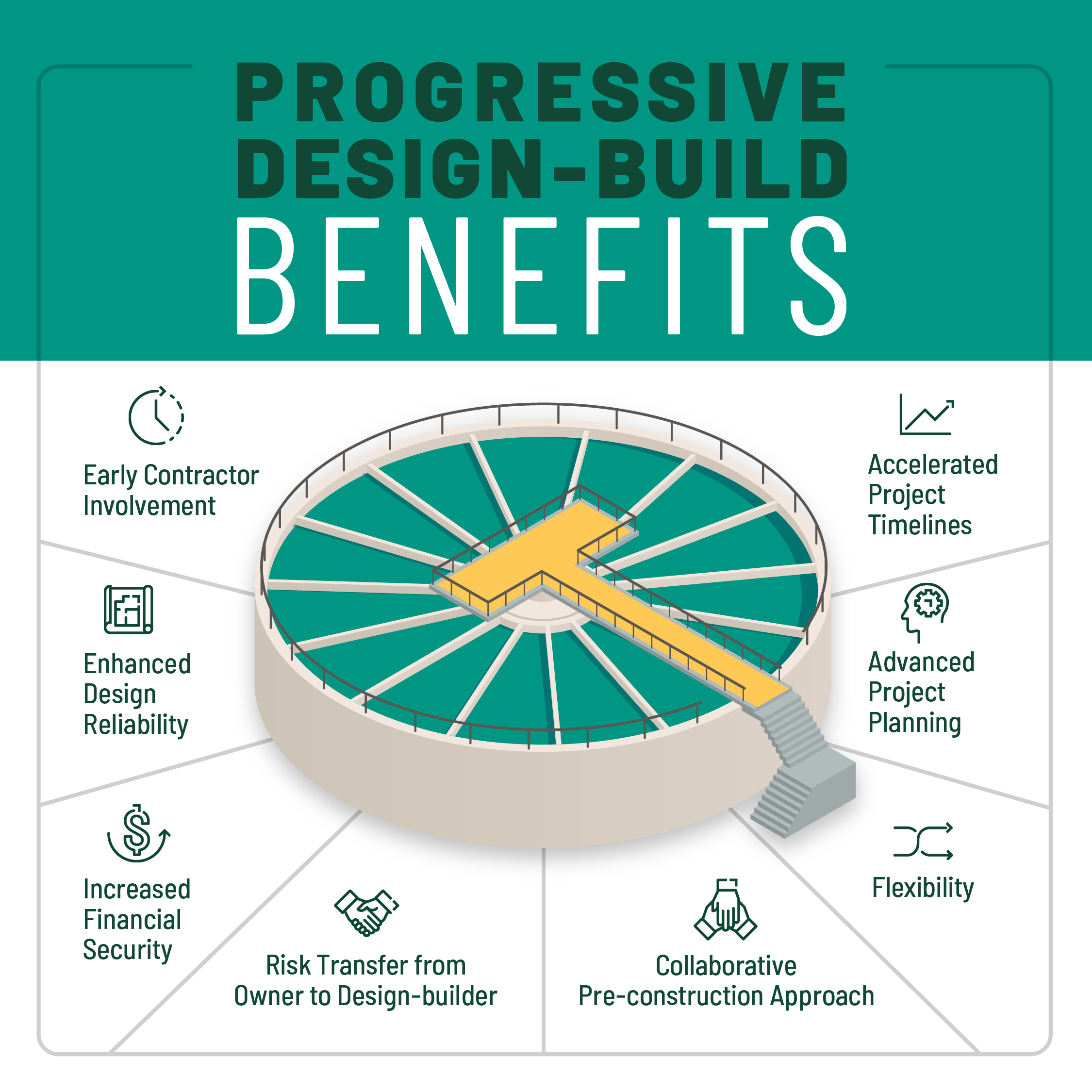
“Progressive design-build contrasts with the traditional model that often front-loads time and resources in the pursuit of a final price and award, potentially overlooking opportunities for optimal solutions along the way.”
Ken Slota
Director, Industrial & Manufacturing Process Water Group, PCL Construction
Since the COVID-19 pandemic exposed vulnerabilities in the global supply chain, there have been efforts to relocate manufacturing to North America to minimize economic disruptions. Among these initiatives is a push to produce semiconductors domestically. However, semiconductor manufacturers encounter challenges in building facilities, particularly when it comes to complying with state water regulations. As semiconductor designs become more intricate and able to channel even more information in ever smaller vessels, manufacturing facilities must keep pace. The complexity of chips directly impacts the cost of building and operating these facilities, requiring owners to select general contractors that understand the essential design, construction and legislative considerations associated with semiconductor manufacturing. To meet demand, PCL Construction’s Industrial and Manufacturing Water Group is expanding its water and wastewater services beyond its traditional municipal client base to include private companies. Government-funded initiatives are driving growth in domestic manufacturing and industrial projects, which often require sophisticated water and wastewater solutions. By leveraging PCL's strong reputation for technical excellence in municipal water infrastructure, the Industrial and Manufacturing Water Group offers specialized knowledge and resources to manage complex, large-scale water and wastewater projects. This is increasingly critical as the production of semiconductors requires ultrapure water—purified to extremely stringent specifications—with a typical facility consuming up to five million gallons per day. By the end of the manufacturing process, the wastewater produced is contaminated with toxic solvents and heavy metals. Consequently, securing water supply and implementing advanced water treatment processes are crucial for manufacturers. “It’s becoming more understood and accepted how valuable a commodity water is,” says Ken Slota, director of PCL’s Industrial and Manufacturing Water Group. “Either due to state and federal regulations or internal climate goals, we’re seeing more and more manufacturers implementing water reuse.” What is Industrial Water Reuse and How is it Regulated? Currently, there is only one national regulation all manufacturers must adhere to in wastewater treatment: the National Pollutant Discharge Elimination System (NPDES) permit program. Established as a part of the Clean Water Act in 1972, the program regulates water pollution by controlling the discharge of pollutants into U.S. waters. Under NPDES permits, industrial users, including semiconductor manufacturers without on-site industrial water treatment technologies, must pretreat their industrial wastewater before discharging it to publicly owned treatment works, where many municipalities further treat the water for reuse in the community. Beyond NPDES regulations, specific discharge and reuse requirements vary by the state, county and even city level. In fact, only 14 states have any official water reuse regulations or guidelines in place for industrial applications. Three growing states for microchip manufacturing are Arizona, California and Minnesota. These states are all authorized by the Environmental Protection Agency to implement their own NPDES programs. Here is a look at some of their core water regulations associated with industrial manufacturing: Industrial Water Reuse Regulations by State Arizona: Arizona is leading the way in new semiconductor manufacturing in the United States. However, due to the state's desert climate and longstanding drought, strict water regulations have been put into place in recent years. The Colorado River, which supplies 36% of Arizona’s annual water supply, is experiencing a Tier 1 shortage for 2024. Despite drought-induced restrictions, industrial manufacturing is only experiencing a 3% reduction in allotted water usage, significantly less than other industries. This is due in part to the innovative water reuse technologies manufacturers are implementing into their facilities. American tech company Intel, which has been operating facilities in Arizona for 40 years, is proactively engaged in water conservation efforts. The company is actively returning or has reuse projects planned that will restore almost 2.2 billion gallons of water to Arizona water sources every year. Currently, PCL is working on a project for a reclaimed water facility in the town of Chandler, which will significantly boost the water reuse capabilities of Intel and other manufacturers. California: With one of the world’s largest centers for technology and innovation in California’s Silicon Valley, it’s no surprise the state has more than 600 semiconductor manufacturing establishments, the most in the country. The state permits the use of recycled municipal wastewater for industrial manufacturing, following the guidelines of California's Title 22 Water Recycling Criteria. For industrial applications, these guidelines require specific treatments based on factors such as whether mist is generated and if it comes into contact with employees or the public. The required treatments vary depending on the category of recycled wastewater: disinfected tertiary or disinfected secondary 23. Disinfected tertiary water can come into contact with workers and is used in industrial cooling or air conditioning systems with cooling towers, evaporative condensers or mist-creating sprays. This water undergoes three steps: primary and secondary treatments, followed by filtration and, finally, a tertiary treatment that includes disinfection. Disinfected secondary 23 water is intended for uses where it does not contact workers or for industrial cooling or air conditioning systems without cooling towers, evaporative condensers or mist. This water must go through primary and secondary treatments and filtration. Minnesota: Semiconductor production is on the rise in Minnesota, with more than 150 semiconductor manufacturing companies now operating in the state, a 13.5% increase from 2021 to 2023. In early 2024, Bloomington-based Polar Semiconductor LLC announced a $525 million expansion, aiming to boost the facility’s output by 50%. Minnesota is one of 14 states with water reuse regulations for industrial applications; Minnesota's regulations are based on California’s Title 22 Water Recycling Criteria, which were among the first detailed regulations designed to ensure that wastewater reuse is safe for human health. Leaders in Industrial Water Treatment Technology As of the 2024 summer, 33 U.S. states are experiencing a “moderate” to “extreme” drought. This affects more than 50 million people and with continued impacts of climate change, that number will grow. Additionally, the demand for semiconductors to meet evolving technological needs, alongside the growth of stateside manufacturing, is leading to a major demand for water. However, industrial water treatment technology is often neglected in the initial planning stages of these facilities. “Many times, the wastewater infrastructure scope is a separate package and not included up front in the base facility planning process,” says PCL’s Andrew Ahrendt, National Director of Manufacturing. “Having an industry expert like PCL that can design and build the wastewater project components is an advantage. We understand the process and how to design and build these facilities. We know what to ask the owners, operators and facility designers, and what to expect from the municipalities we build in.” PCL is no stranger to these types of facilities, with Advanced Water Purification Facility (AWPF) projects like EPWater in El Paso, Texas currently underway. Texas is also quickly growing as a top region for semiconductor manufacturing: Arizona and Texas together account for more than half of the total investment and 35% of the projected jobs in semiconductor manufacturing. “A lot of the technologies and processes to treat public wastewater treatment facilities are the same at private, industrial wastewater treatment facilities,” says Slota. “Having the expertise to design and complete both while mitigating risk is a huge benefit to any client.” With a deep backlog of successful water and wastewater infrastructure construction projects in municipalities across the United States, PCL has extensive experience providing innovative solutions to meet each community’s unique water challenges for both public and private clients. “Sustainability has increasingly become a key consideration in location selection and design,” says Ahrendt. “Additionally, water regulations are ever-changing at every level, making it crucial for growing manufacturers to collaborate with industry experts who comprehend both the value of their projects and the diverse regulations they face. Understanding the unique nature of every manufacturing plant and project, PCL’s collaborative approach enables teams to thoroughly understand each plant's specific water needs and identify the most sustainable ways to manage water usage.”
Luke 303 Water Reclamation Facility Expansion project in Arizona.
California , US
(Details)
PCL Construction is working to help local governments upgrade their infrastructure to protect communities from future natural disasters. The frequency and intensity of catastrophic flooding in the wake of hurricanes and other natural disasters are increasing, and the impacts on cities and their inhabitants can be devastating. Rising waters in Prairie cities like Calgary and Winnipeg, and record-breaking rains in Eastern Canada’s largest cities like Toronto and Montreal, have led to declared states of emergency, mass evacuations and billions of dollars in damages. Such frequent and destructive weather events, combined with an aging infrastructure network, are straining water infrastructure in major cities across North America. According to Catastrophe Risk Evaluation and Standardizing Target Accumulations (CRESTA), flooding across the US accounted for 78% of the total industry losses in 2024, making it "the year of the floods." A 2022 report from Canada’s Core Public Infrastructure Survey, which measures the stock, condition and performance of public infrastructure across Canada every two years, found nearly one in five kilometers of water, sewer and stormwater pipes were reaching the end of their useful life. For years, PCL has partnered with local governments to build, repair or replace more than 50 water control and flood mitigation infrastructure systems that can withstand the increased anticipated burden on the system. Since PCL has honed an expertise in building water management infrastructure over decades, it has become a trusted partner to take on the complex task of increasing municipality flood prevention efforts through pipeline infrastructure upgrades and flood mitigation infrastructure improvements. Transformative Flood Protection Project Reshapes East Harbour PCL was recently selected by Waterfront Toronto to deliver the third and final phase of flood protection efforts relating to the Don River: The Broadview and Eastern Flood Protection (BEFP) project, which is funded by three levels of government. Waterfront Toronto contracted PCL to build a flood protection landform (FPL) — essentially a large berm — along the Don River south of Eastern Avenue. This FPL protects land immediately north of the railway corridor on the east side of the Don River, and parts of South Riverdale south and east of the rail corridor. Engaged early in the design process as construction manager, PCL Toronto’s civil team worked alongside the client and designer in the critical preconstruction stage of the project, exploring ways to optimize the design and constructability of a significant FPL through the solution-provider lens PCL brings to every project. Sharing sequencing plans, virtual modeling and real-time budget updates through PCL’s proprietary technology provided the client with a clear, up-to-the-minute vision of the schedule, potential risks and project costs. PCL Superintendent Lawrence D’Andrea playfully describes the project in its simplest terms as, “Digging a hole, filling it with clay, and then covering it with grass.” However, the related complexities are not for the faint of heart, involving extensive utility relocation and expansion, including storm and sanitary sewers, building demolition, road reconstruction and removing a decommissioned bridge. Further, the team must contend with adjacent construction projects, land expropriation sensitivities, schedule impacts and non-negotiable deadlines from the upcoming FIFA World Cup 26TM, and a highly constrained work area that ties into a commuter train line and the DVP. “Our team has demonstrated a solution-provider mentality throughout this project,” adds D’Andrea. “We’ve found ways to overcome complex obstacles with meaningful solutions that also provide value to our client.” Demolition Work on a Floating Barge PCL’s ingenuity was on display with the demolition of the old Eastern Avenue bridge. The low-lying truss bridge, which hadn’t been used in 60 years, was an impediment to flood waters and at risk of full collapse. Bordered by the DVP to the east and an active rail line to the west, staging demolition from either shore was not an option. Solution? Demolition work on a floating barge. PCL and its demolition partner positioned a barge in the Don River. That water work necessitated coordination with the Toronto and Region Conservation Authority and integration with environmental protection plans and flood protection emergency response plans to ensure everyone’s safety. One factor the team could not control was the weather. D’Andrea kept an eye on the forecasts to ensure the barge wasn’t at risk of being swept downstream in a flash flood. The team worked in shifts for 22 hours a day to expedite the demolition work.
Early Intervention Adds Value to Flood Mitigation Efforts PCL Toronto’s civil team sought continuous value engineering opportunities to deliver added value to the project. Working with Waterfront Toronto and its design team, they identified a cost-saving measure related to the main sanitary feed out of the city. The 1.6-meter-diameter pipe, buried deep underground, runs along the same stretch where PCL crews are doing flood mitigation work. Crews will insert an epoxy lining to create a new protective barrier inside the pipe, avoiding expensive digging or replacing, and giving the pipe a 100-year lease on life. The project’s early successes are rooted in the collaborative approach of the parties involved. “The client is very knowledgeable when it comes to construction practices,” says D’Andrea. “They understand what we are trying to accomplish and are supportive when we propose alternatives. It has been a pleasure working with them to transform Toronto’s waterfront.” Flood protection work east of the Don River is expected to continue until 2027. Addressing Historical Flood Vulnerabilities in Calgary PCL is also putting its expertise in climate-resilient infrastructure to work in Calgary, where the city continues its efforts to mitigate the extreme impacts from the 2013 floods that led to more than $6 billion in damages and 100,000 evacuations. Since that time, with the support of the Government of Alberta, more than $150 million has been invested in flood mitigation and resilience projects throughout Calgary. One such project, completed in 2018, involved the Wilder Institute/Calgary Zoo, which sits on St. George’s Island in the middle of the Bow River. The flood inundated the zoo grounds with devastating consequences that captured media attention when two hippos, named Sparky and Lobi, swam into a public viewing area and nearly escaped through a broken window. PCL played a crucial role in future-proofing the zoo by installing a watertight seal around the island. The flood mitigation work was completed within an extremely small footprint to ensure minimal disruptions to zoo visitors and neighbors. In 2023, the City of Calgary brought PCL on as construction manager for the Sunnyside Flood Barrier project. The multiyear project has undergone early design changes as planners aim to find the balance between protecting low-lying communities along the Bow River while preserving and creating spaces that connect the community to the water.
Bridge demolition on the Don River.
Rendering of sheet pile flood wall.
One of the challenges for designers was creating a flood wall that helps control seepage during a flood event but also maintains the normal groundwater outflow to the river from the subsurface aquifers. As part of the first stage of construction work, PCL’s civil team undertook a deep excavation to install a pressure relief system along Memorial Drive. PCL Project Manager David Ediger describes it as “640 lineal meters of giant weeping tile that will help mitigate groundwater pressure impacts during a flood event on the future flood barrier.”
Rendering of concrete flood wall.
Seizing the opportunity to get ahead of the 2025 construction season, the PCL Calgary team also worked on small sections of the flood barrier itself, installing 100 cast-in-place concrete piles and sections of sheet pile flood wall along Memorial Drive, which runs adjacent to the river. The permanent metal wall, embedded meters underground, is designed to hold back flood water while minimizing disturbances to the natural environment. Mitigating the noise and vibration impacts from construction is another challenge, as is limiting public access to nearby paths and roadways. “The impacts are felt by pedestrians, commuters and residents,” says Ediger. “Our team goes to great lengths sequencing the work to keep public spaces accessible for as long as possible and minimize road closures where possible.” Coordination with The City of Calgary is a key component of the project. “It’s a priority for The City to minimize impacts as well, but also to communicate those impacts as soon as they can to provide Calgarians with the information they need.” Whether it’s future-proofing critical infrastructure for climate resilience work or preventing the escape of curious hippos, PCL remains at the forefront of transformative infrastructure projects to support and safeguard our communities.
Groundbreaking ceremony to commemorate the start of Sunnyside Flood Barrier project.